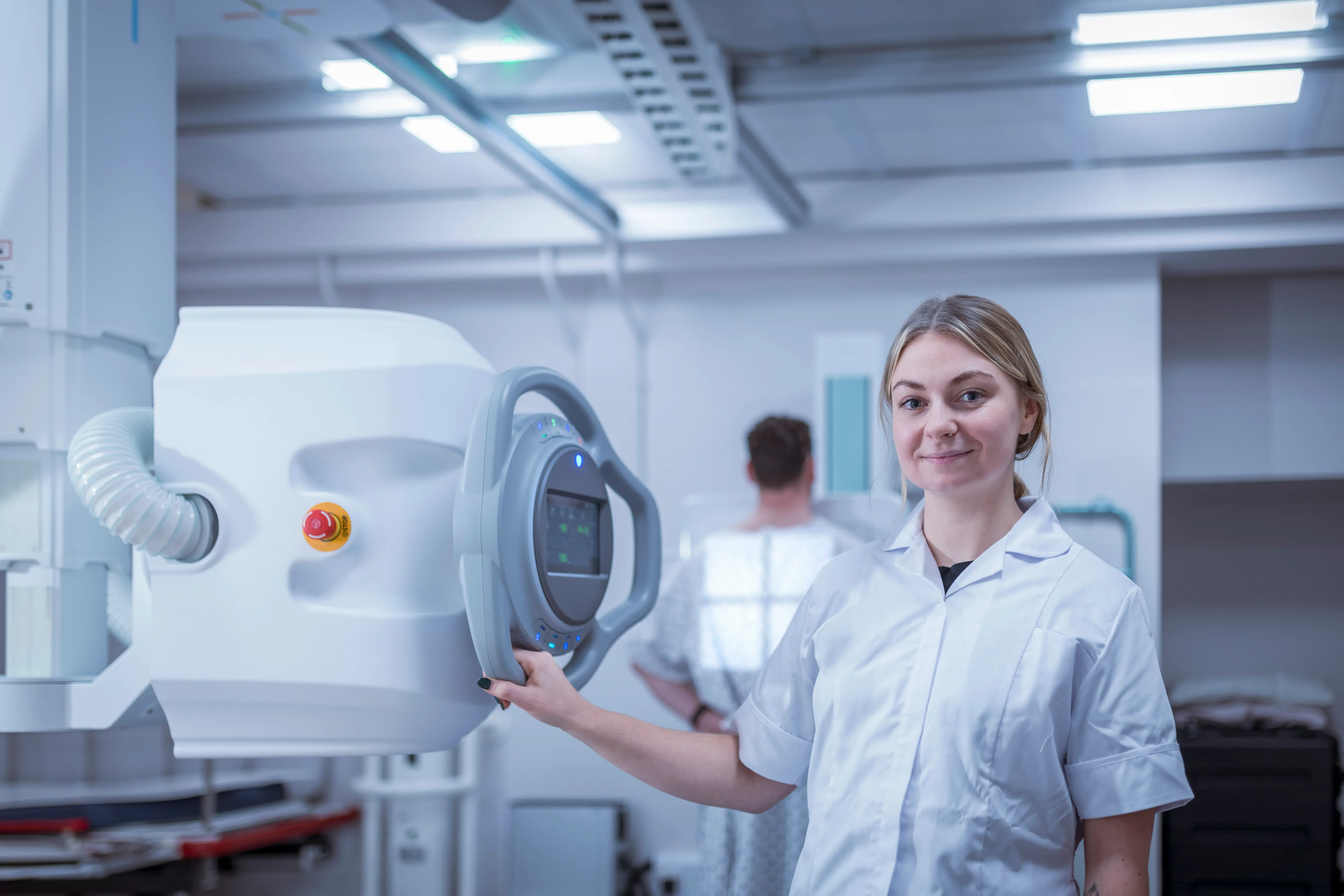
1. The Chain Reaction of X-Ray Machine Downtime
When an X-ray machine becomes unavailable, the consequences extend beyond the imaging room. Patients may wait longer, appointments may be delayed or redirected, and families may face additional uncertainty while waiting for essential imaging.
Clinical teams must rearrange appointments, communicate delays, and coordinate alternatives. Cancelled examinations can create backlogs for later appointments, while emergency service visits, repairs, schedule changes, and lost imaging capacity can add operational costs.
The clinical impact depends on the patient's condition, the urgency of the examination, and the availability of alternatives. Maintaining equipment availability is an important part of healthcare operational resilience.
- Patients may wait longer or need to reschedule.
- Clinical teams must coordinate changes and alternative arrangements.
- Cancelled examinations can create appointment backlogs.
- Emergency repairs and reduced imaging capacity can add operational pressure.
2. The Hidden Cost of Medical Imaging Equipment Maintenance Failures
Medical imaging equipment is a significant investment. Keeping it operational requires maintenance planning, technical expertise, spare parts, and coordination between clinical and service teams.
Unexpected failures can bring unplanned maintenance costs, lost imaging capacity, additional staff coordination, repeat service visits, and operational pressure when equipment availability is limited.
Aquant's 2025 Medical Device Service Benchmark Report, covered by 24x7 Magazine, examined nearly nine million medical device service events and discussed earlier intervention, technician support, and AI-assisted service workflows. These findings concern medical device service operations broadly and should not be interpreted as X-ray-specific performance guarantees.
3. What Is Predictive Maintenance in Healthcare?
Predictive maintenance uses equipment data, condition monitoring, and analytical techniques to identify potential maintenance needs before they develop into unexpected failures. Unlike purely reactive maintenance, it looks for warning signs that may indicate developing problems.
Depending on the equipment and available monitoring data, teams may monitor relevant health indicators, detect abnormal readings, review historical events for recurring issues, send alerts when configured conditions are met, and provide technicians with diagnostic information.
Not every X-ray machine exposes the data needed to predict every type of failure. Implementation depends on available telemetry, manufacturer interfaces, integrations, and appropriate technical validation.
Predictive maintenance complements manufacturer-recommended preventive maintenance and required safety inspections; it does not replace them.
- Monitor relevant device health and performance indicators.
- Detect abnormal readings or changes in operating patterns.
- Analyze historical events for recurring issues.
- Alert teams when defined conditions or thresholds are reached.
- Support technicians with diagnostic information and maintenance guidance.
4. From Reactive Repairs to Proactive Medical Equipment Monitoring
Scheduled inspections, equipment alarms, service reports, and staff reports remain important, but gaps can exist between an early warning sign and a technician's investigation. A proactive workflow connects monitoring, alerts, diagnostic context, and technician action.
- Monitor relevant equipment data and establish suitable baselines where supported.
- Detect unusual readings or changes using the data actually available from the equipment.
- Alert the appropriate maintenance team with actionable context.
- Support troubleshooting with diagnostic information, device history, technical documentation, and structured guidance.
- Record confirmed faults, maintenance actions, and outcomes to help identify recurring problems.
5. How DevicePulse.AI Supports Smarter Equipment Monitoring
DevicePulse.AI, part of SenzMate's AIoT platform, helps organizations improve connected-device visibility and supports equipment monitoring and troubleshooting workflows. For healthcare equipment applications, suitability depends on the data that can be collected from the relevant devices and the integrations available in the deployment.
Supported capabilities can include real-time monitoring of available device metrics, configured anomaly alerts, AI-assisted troubleshooting using available device history and knowledge-base information, automated monitoring rules and test cases, and integrations with supported data sources.
- Real-time monitoring of supported device metrics and operating conditions.
- Anomaly detection and alerts when configured conditions are met.
- AI-assisted troubleshooting through the AI Navigator.
- Automated monitoring workflows using supported rules and test cases.
- IoT platform integration subject to device and deployment requirements.
6. What If an X-Ray Machine Could Signal a Problem Before It Disrupted Care?
Imagine supported equipment telemetry showing an unusual pattern. A monitoring system identifies the deviation and alerts the maintenance team. A technician reviews the available context and manufacturer guidance, then determines whether an inspection or service intervention is needed.
This illustrates the potential of proactive monitoring: earlier visibility, better-informed maintenance decisions, and more organized service workflows. A detected anomaly is not a confirmed fault and does not guarantee a failure will occur.
Qualified personnel must determine the appropriate response using validated technical information. Medical imaging equipment still requires manufacturer-approved maintenance, qualified service personnel, and compliance with applicable safety and regulatory requirements.
7. Measuring the Impact of Smarter Healthcare Equipment Maintenance
Establish a baseline before introducing monitoring improvements, then compare results over time. Distinguish equipment-related downtime from other causes of imaging service disruption. The goal is not simply to generate more alerts, but to identify useful signals, reduce avoidable delays, and improve maintenance decisions.
- Equipment availability: the proportion of time equipment is available for intended use.
- Unplanned downtime: time equipment is unavailable because of unexpected problems.
- Mean time to detect (MTTD): average time taken to identify an issue.
- Mean time to repair (MTTR): average time taken to restore equipment, using a consistent definition.
- First-time fix rate: service issues resolved during the initial service visit.
- Recurring fault rate: frequency of similar issues over a defined period.
- Maintenance response time: time between an actionable alert and the appropriate response.
8. Keeping Medical Equipment Ready When Patients Need It
Patients need timely examinations, clinical teams need dependable equipment, and biomedical engineers need the information and tools required to investigate problems effectively.
Predictive maintenance and connected-device monitoring can strengthen that operational foundation when suitable equipment data and integrations are available. Better equipment visibility can help teams respond more effectively, plan maintenance with greater confidence, and support reliable healthcare services.